
China completa la perforación del pozo Shendi Take‑1, el segundo más profundo del mundo
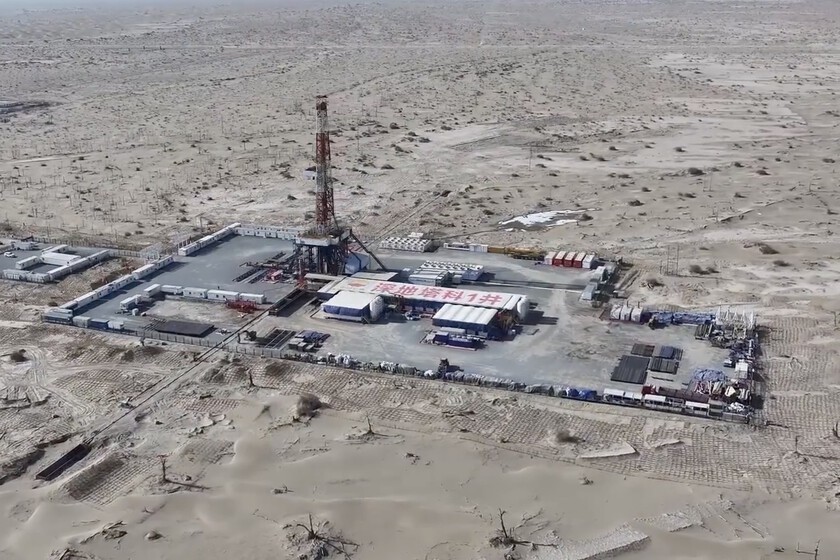
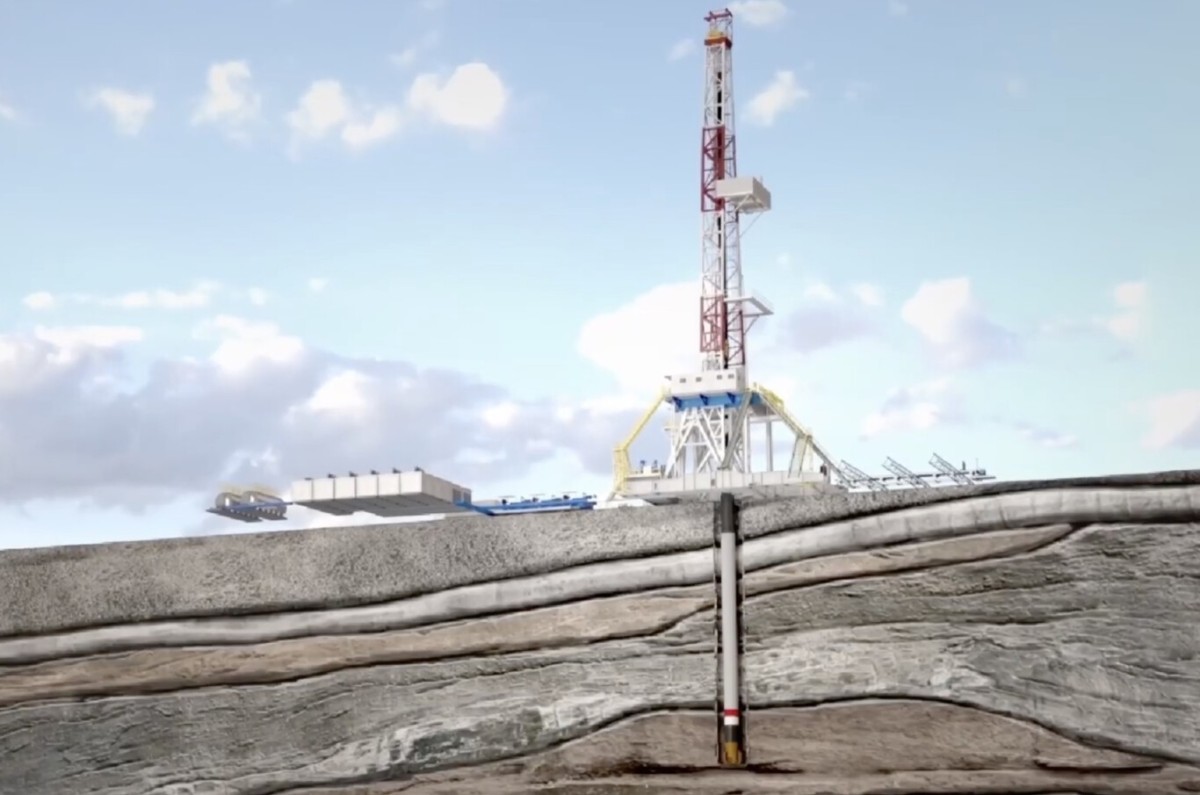
China National Petroleum Corporation (CNPC) finalised the Shendi Take‑1 drilling project on 20 February 2025 after commencing operations on 30 May 2023. The well reached a vertical depth of 10 910 metres, making it the deepest vertical oil well in Asia and the second deepest globally, surpassed only by the Kola super‑deep hole in Russia.
Record depth and drilling timeline
The drilling campaign lasted a total of 580 days. The last 910 metres required 300 days, considerably longer than the preceding 10 000 metres. According to CNPC officials, each additional metre at such depths increases drilling complexity exponentially.
Technical challenges and engineering solutions
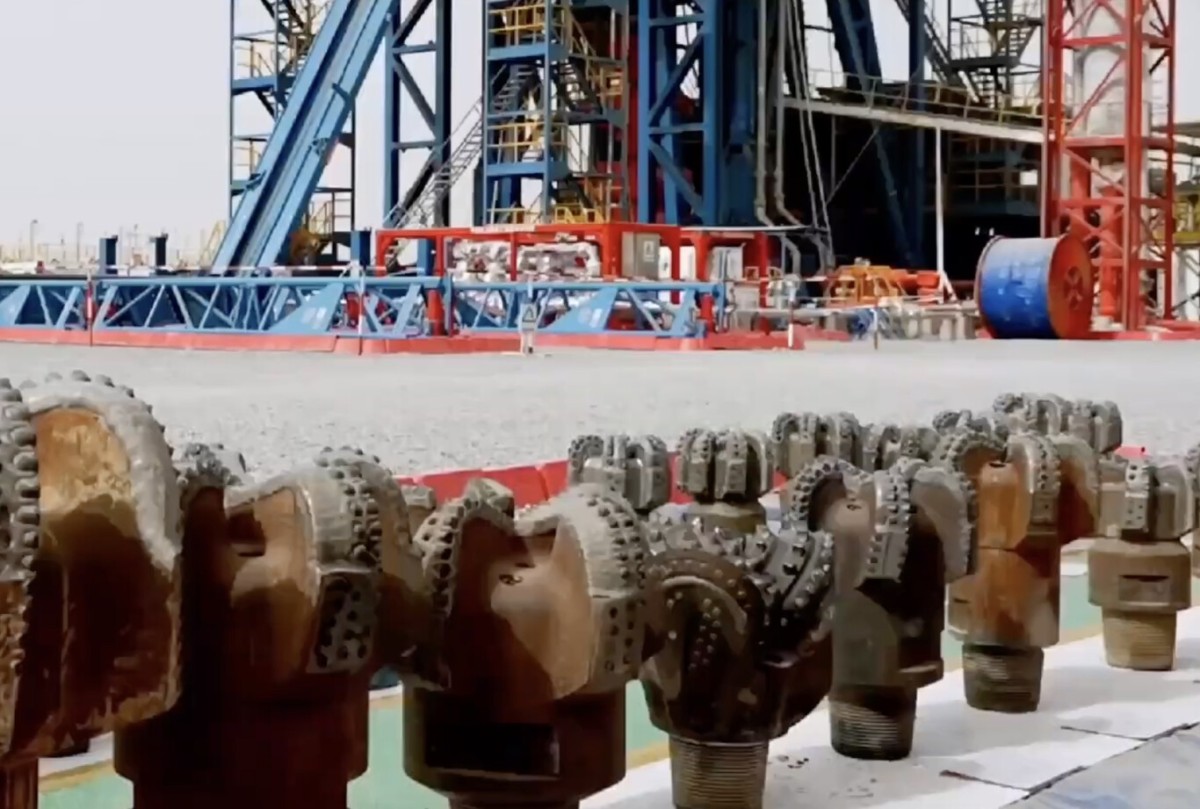
At depths around 10 000 metres, ambient temperatures exceed 210 °C and pressures are extremely high. To cope with these conditions, CNPC developed an automated drilling platform equipped with a diamond‑tipped drill bit and a specialised cooling system capable of dissipating heat at the required temperatures. All critical components, including fasteners, were engineered to retain structural integrity under the combined thermal and pressure loads.
Approximately 90 % of the platform’s parts were manufactured domestically, allowing China to replicate the technology without relying heavily on imports.
Dual purpose: scientific research and hydrocarbon extraction
Beyond its commercial aim of extracting oil and gas, Shendi Take‑1 serves a scientific role. The borehole penetrated twelve distinct geological formations and recovered rock samples dating back roughly 500 million years from a depth of 8 080 metres. It also marked the first terrestrial discovery of oil and gas below the 10 000‑metre threshold.
Broader context of China’s deep‑drilling ambitions
Shendi Take‑1 is part of a wider Chinese strategy to lead ultra‑deep drilling. In November 2023, Sinopec announced the Project Deep Earth 1‑Yuejin 3‑3XC, a well targeting a vertical depth of over 9 400 metres with a planned horizontal deviation of 3 400 metres. Another example is the Zhentan‑1 well, which reached 8 345 metres in October 2026 and retrieved a 500‑million‑year‑old rock sample at 8 080 metres.
These projects aim to improve understanding of the Earth’s interior while also unlocking access to deep‑lying hydrocarbon reserves. In the Tarim basin, more than 80 % of deep‑oil and about 64 % of deep‑gas resources lie below 6 000 metres, making advanced drilling capabilities essential for their exploitation.
Why it matters
The successful completion of Shendi Take‑1 demonstrates China’s capacity to overcome extreme technical hurdles associated with ultra‑deep drilling. The project provides valuable geological data that can inform future exploration and scientific studies, while also enhancing the country’s ability to tap into challenging hydrocarbon reserves. By mastering the required technology domestically, China reduces dependence on foreign equipment and positions itself as a leading player in both energy production and deep‑Earth research.
Fuente: Xataka. Este artículo es una elaboración propia de TecnoPunta a partir de la información publicada.
Te puede interesar

Así funcionaba el handshake de los módems telefónicos y su legado en la era del cobre
Los pitidos del módem marcaban el handshake, la negociación que establecía velocidad y modo de conexión a Inte…

La extraña supervivencia de Pinterest: quién demonios sigue utilizándolo y por qué sigue ganando dinero
Pinterest ha superado los 640 millones de usuarios activos mensuales, aunque la mayor parte de sus ingresos si…

En una isla de California solo quedaban 15 zorros a finales de los noventa: tras expulsar a las águilas reales, hoy son más de 300
Tras la eliminación de las águilas reales y de los cerdos ferales, la población del zorro isleño pasó de estar…
Sigue leyendo

Oppo podría suspender el Find X10 Ultra por falta de RAM, según una filtración
Una filtración indica que Oppo ha detenido temporalmente el proyecto Find X10 Ultra por escasez de RAM.
Leer →
TecnoPunta al día: las noticias clave del 9 de noviembre de 2026
Hoy, Francia denuncia un ciberataque que paralizó la refrigeración de 700 tiendas, mientras Tesla reorienta su planta de Texas de Cybertruck a Cybercab…
Leer →
Francia acusa a la Guardia Revolucionaria iraní de un ciberataque que alteró la refrigeración de cientos de comercios
Un ciberataque alteró la refrigeración de unos 700 comercios en Francia, provocando pérdidas y al menos quince incendios.
Leer →
¿Qué te ha parecido?
Deja el primer comentario y comparte tu experiencia o pregunta.